- Home
- By country
- India
Canada from India.
India is Canada’s largest source of new permanent residents and international students. Most arrive through Express Entry, provincial programs or after studying here.

CAD → INR
How most Indian newcomers immigrate.
Express Entry
Canada’s main system for skilled workers, ranked by points.
Learn moreProvincial Nominee Program
Provinces choose newcomers for their local job market.
Learn moreStudy to permanent residence
Study, get Canadian work experience, then apply for PR.
Learn moreFirst-month priorities for Indian newcomers.
On top of the usual first-30-days steps.
Update your Indian bank accounts
Once you become a non-resident of India, savings accounts generally need to be redesignated as NRO or NRE accounts. Talk to your bank in India.
Get your degree recognized
An educational credential assessment is needed for immigration; licensed jobs like engineering and nursing also need the provincial regulator.
Driving in Canada
Indian licences generally can’t be exchanged directly; you’ll take the road tests, but proof of experience can shorten the wait in some provinces.
Send money home without the markup
Compare what arrives in rupees, not just the fee.
Your first 30 days in Canada from India.
A checklist for Indian newcomers, in the order most people need it.
SIN, phone and your Indian number
Get your Social Insurance Number (how to get a SIN) and a Canadian phone plan. Keep your Indian mobile number active on a low-cost plan: Indian banks, UPI and Aadhaar send one-time passwords (OTPs) to it.
Bank account and money from India
Open a Canadian account (best newcomer accounts). Plan larger transfers from India with bringing money from India and check the tax collected at source with the TCS calculator.
Tell your Indian bank you are now an NRI
Once you are a non-resident of India, resident savings accounts should be changed to NRO accounts. Many people also open an NRE account. Update your address and tax status (KYC) with your bank, broker and insurers.
Health card and a family doctor
Apply for your provincial health card. Ontario has no waiting period; British Columbia makes you wait about three months. See health cards by province.
Start credential recognition
If your job is regulated (engineer, nurse, doctor, teacher, pharmacist), contact the provincial regulator now. Use find your regulator.
Driving: get your experience on paper
Indian licences cannot be exchanged directly. Ask the RTO that issued your licence for an official letter confirming it, so you can get experience credit. See using an Indian licence in Canada.
Using your Indian qualifications in Canada.
Degrees, licences and documents: what to start early.
Degrees and the ECA
For immigration, an educational credential assessment (ECA) from a designated body such as WES compares your degree with a Canadian one. Most assessors ask Indian universities to send transcripts to them directly. An ECA does not give you a licence. Read the ECA guide.
Engineers, nurses and doctors
Engineering is regulated by each province (for example, Professional Engineers Ontario). Nurses usually start with the National Nursing Assessment Service (NNAS). Doctors start with the Medical Council of Canada. See credential recognition.
Apostille and attested documents
India and Canada are both members of the Apostille Convention (Canada since January 11, 2024). The Ministry of External Affairs issues apostilles in India. IRCC usually accepts copies, but a regulator, court or employer may ask for an apostille or for documents sent directly by your university. Ask before you pay for one.
Translations
Documents in Hindi, Punjabi, Gujarati or other languages need an English or French translation. IRCC normally asks for a translation by a certified translator, or a translator’s affidavit, plus a copy of the original. Family members should not translate your documents.
Sending money to India.
Compare what arrives in Indian rupees, not just the fee: the exchange-rate markup is often the bigger cost. Check payout options your family can use easily, and how fast the money lands.
RemitBee sends from Canada to India. Check its live rate alongside your bank.
See RemitBee’s ratesRemitBee supports SettleCanada; we may earn a fee.
Where Indian communities are strongest.
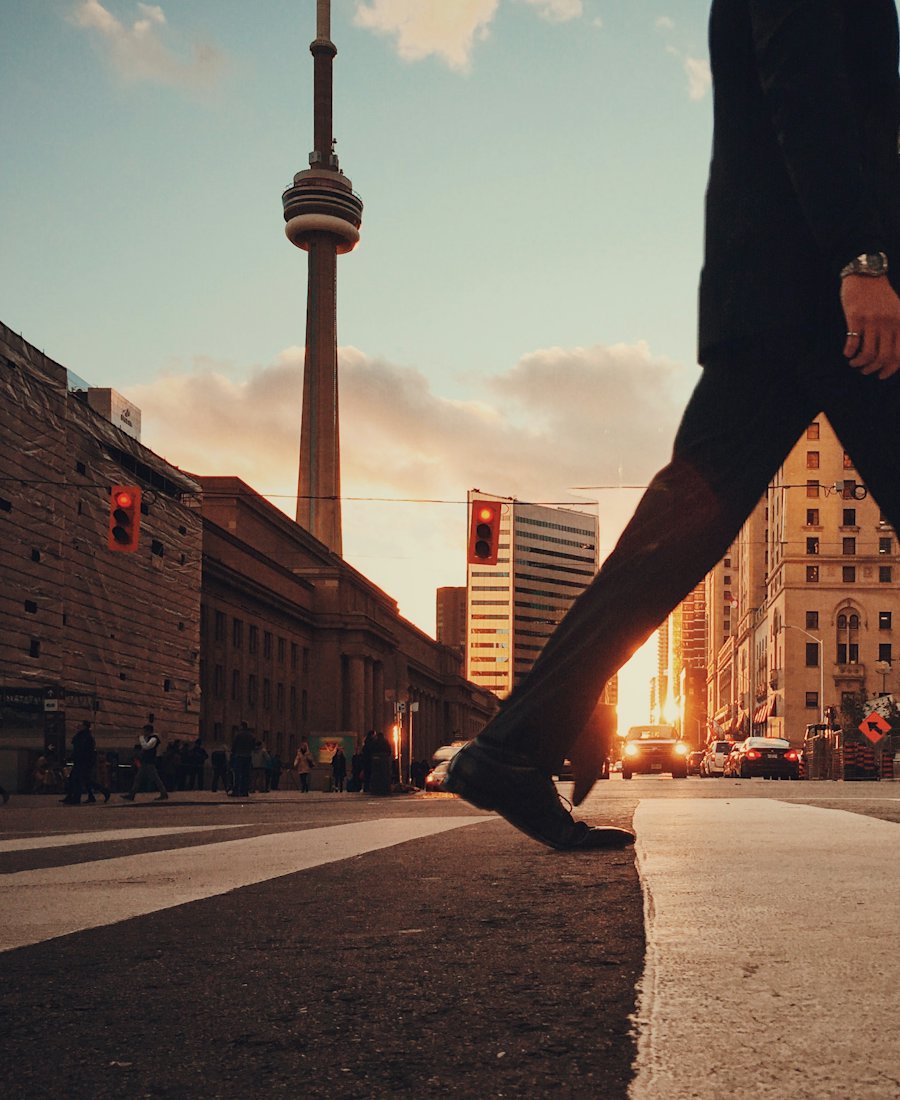
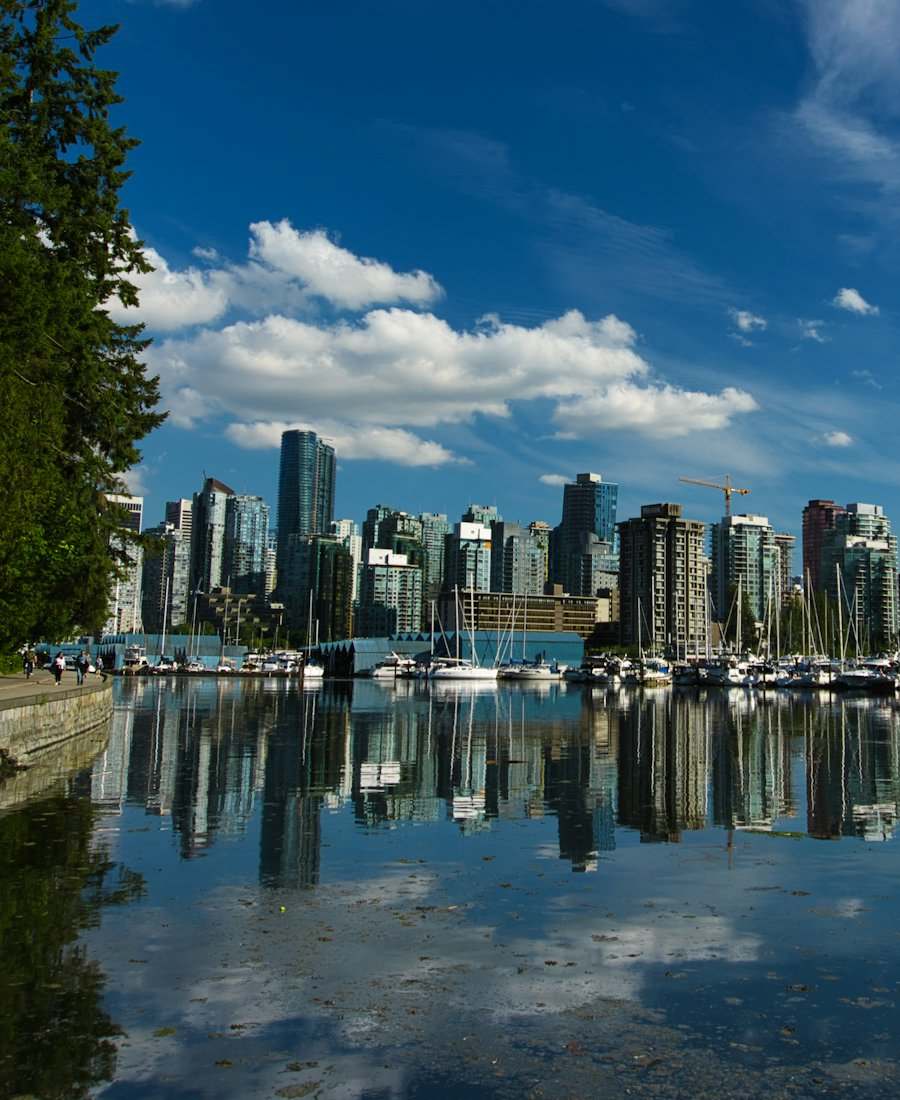

| City | Indian community |
|---|---|
| Brampton | More than half of residents identified as South Asian in the 2021 census; very large Punjabi community. |
| Mississauga | Large South Asian community in Malton, Meadowvale and Churchill Meadows. |
| Surrey | Centre of Punjabi life in British Columbia, especially in Newton. |
| Toronto | Gujarati, Tamil, Telugu, Malayali and Bengali communities across the city, and Gerrard India Bazaar. |
| Calgary | Fast-growing community in northeast Calgary. |
| Winnipeg | Growing Punjabi and Gujarati community, with lower rents. |
A starting point, not a ranking. Every large Canadian city has people from many countries.
Finding your Indian community.
Diwali, Vaisakhi, Holi and Eid are celebrated widely, with large festivals in Brampton, Surrey and Mississauga. Most cities have gurdwaras, temples, mosques and regional associations for Punjabi, Gujarati, Tamil, Telugu, Malayali and Bengali communities.
Settlement agencies can connect you with community organizations and services in your language. Ask when you visit, or call 2-1-1 in most provinces.
Guides for Indian newcomers
Common questions from Indian newcomers.
Can I keep my Indian savings account after I move to Canada?
Once you become a non-resident of India, you should not keep operating a resident savings account. Banks convert it to an NRO account. Money earned abroad can be held in an NRE account. Interest on NRE accounts is tax-free in India, but Canada taxes your worldwide income once you are a Canadian tax resident.
Can I drive in Canada with my Indian licence?
For a short time. In Ontario, a valid foreign licence can be used for 60 days after you become a resident. India has no exchange agreement with any province, so you take the knowledge and road tests. An official letter from your RTO can give you credit for up to one year of experience in Ontario.
Do I need an apostille on my Indian documents?
Usually not for IRCC, which accepts copies and certified translations. Some regulators, courts and employers ask for an apostille or for documents sent directly by the issuing institution. Since India and Canada are both in the Apostille Convention, an apostille from the Ministry of External Affairs is accepted where one is needed.
How much money can I move from India to Canada?
Indian residents can send up to USD 250,000 per financial year under the Liberalised Remittance Scheme, and tax collected at source (TCS) may apply above INR 10 lakh. NRIs can usually repatriate up to USD 1 million per financial year from NRO balances, with tax paperwork. Confirm with your bank before you move large amounts.
Will I lose Indian citizenship if I become Canadian?
India does not allow dual citizenship. When you become a Canadian citizen, you lose Indian citizenship and must surrender your Indian passport. Many people then apply for Overseas Citizenship of India (OCI), which allows visa-free travel and long stays in India.
Sources, checked October 5, 2026: IRCC: Educational credential assessment for Express Entry; ESDC: Foreign Credential Recognition Program; Ontario: Exchange an out-of-province driver’s licence; HCCH: Apostille Convention status table.
Moving from India?
One practical email a week, including tips for your corridor.
