- Home
- By country
- Philippines
Canada from the Philippines.
Filipinos are one of Canada’s largest newcomer communities, with strong ties to healthcare, caregiving and family sponsorship.

CAD → PHP
How most Filipino newcomers immigrate.
Work permits
Employer-specific, open and youth permits to work in Canada.
Learn moreStudy to permanent residence
Study, get Canadian work experience, then apply for PR.
Learn moreExpress Entry
Canada’s main system for skilled workers, ranked by points.
Learn moreFirst-month priorities for Filipino newcomers.
On top of the usual first-30-days steps.
Nurses: start licensing early
Internationally educated nurses usually begin with the National Nursing Assessment Service (NNAS), then apply to a provincial regulator.
Caregivers: know your program
Caregiver pathways to permanent residence change often. Check IRCC’s current caregiver programs before you apply.
Balikbayan boxes
Ship through established forwarders and keep receipts; rules on what you can send change, so check before you pack.
Send money home without the markup
Compare what arrives in pesos, including cash pickup and e-wallet options.
Your first 30 days in Canada from the Philippines.
A checklist for Filipino newcomers, in the order most people need it.
SIN, phone and your Philippine SIM
Get your Social Insurance Number (how to get a SIN) and a Canadian phone plan. Keep your registered Philippine SIM active if your bank, GCash or Maya send codes to it.
Bank account and sending money
Open a Canadian account (best newcomer accounts). Compare transfer options before your first payday with sending money to the Philippines.
Health card and insurance
Apply for your provincial health card. If you live in British Columbia, buy private insurance for the wait period. See health cards by province.
Know your work permit conditions
If you have an employer-specific work permit, you can only work for the employer and in the job named on it. Keep copies of your contract and pay stubs. See work permits explained.
Nurses and health workers: start licensing
Start or continue your NNAS file and contact the nursing regulator in your province. Many hospitals hire internationally educated nurses as health care aides while they finish. See credential recognition.
Wait before your first balikbayan box
Settle in first, then ship. Check limits and banned items in sending a balikbayan box and what you cannot ship.
Using your Filipino qualifications in Canada.
Degrees, licences and documents: what to start early.
Nurses (RN, RPN, LPN)
Most provinces ask internationally educated nurses to apply through the National Nursing Assessment Service (NNAS), then to the provincial regulator. Many Philippine-trained nurses are asked to take extra courses or a bridging program. Start before you arrive if you can. See find your regulator.
Caregivers
Caregiver pathways to permanent residence have changed several times. Check the current IRCC program before you apply, and use only licensed consultants or lawyers. See check a consultant’s licence.
PSA documents and apostille
Use birth, marriage and CENOMAR certificates issued by the Philippine Statistics Authority (PSA). The Philippines joined the Apostille Convention in 2019, so the Department of Foreign Affairs (DFA) issues apostilles instead of the old “red ribbon”. Canada joined in January 2024. IRCC usually accepts copies; ask a regulator or court before you get an apostille.
Engineers, teachers and accountants
These are regulated by each province. Get an educational credential assessment (ECA) early: the ECA guide explains how.
Sending money to the Philippines.
Compare what arrives in Philippine pesos, not just the fee: the exchange-rate markup is often the bigger cost. Check payout options your family can use easily, and how fast the money lands.
RemitBee sends from Canada to the Philippines. Check its live rate alongside your bank.
See RemitBee’s ratesRemitBee supports SettleCanada; we may earn a fee.
Where Filipino communities are strongest.


| City | Filipino community |
|---|---|
| Winnipeg | One of Canada’s largest Filipino communities, centred in Tyndall Park and the Maples. |
| Toronto | Large community around Bathurst and Wilson (“Little Manila”) and in Scarborough. |
| Mississauga | Strong community around Cooksville and Square One. |
| Calgary | Large and growing community in northeast Calgary. |
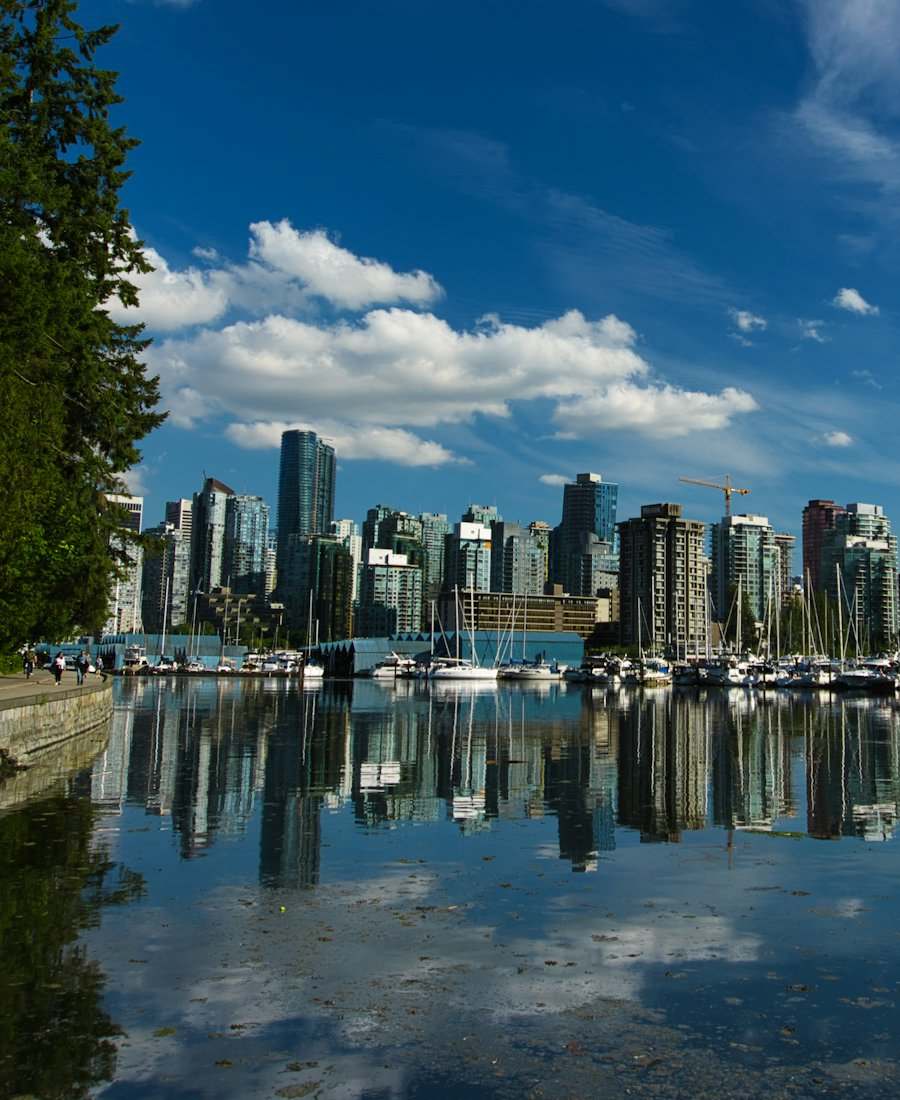
| Vancouver | Community around Joyce–Collingwood in east Vancouver. |
| Surrey | Many Filipino families in Guildford and Newton. |
A starting point, not a ranking. Every large Canadian city has people from many countries.
Finding your Filipino community.
Philippine Independence Day festivals in June and Simbang Gabi at Christmas bring communities together in most big cities. Filipino churches, regional associations and nurses’ groups are strong in Toronto, Calgary, Vancouver and Winnipeg.
Settlement agencies can connect you with community organizations and services in your language. Ask when you visit, or call 2-1-1 in most provinces.
Guides for Filipino newcomers
Common questions from Filipino newcomers.
Can I keep my Filipino citizenship if I become Canadian?
Yes. Under the Philippines’ dual citizenship law (Republic Act 9225), natural-born Filipinos who become Canadian can keep or reacquire Philippine citizenship by taking an oath of allegiance at a Philippine embassy or consulate.
Which documents should I bring from the Philippines?
Bring PSA-issued birth and marriage certificates, school transcripts and diplomas, your employment certificates, and your licence or board certificate if you have one. For nurses, bring your PRC licence and nursing school records.
Can I drive in Canada with my Philippine licence?
For a short time only. In Ontario, a foreign licence is valid for 60 days after you become a resident. The Philippines has no licence exchange agreement with Ontario or B.C., so you take the tests. An official letter from the LTO can give you credit for driving experience in Ontario.
How long does it take to become a nurse in Canada?
It varies a lot by province and by your education. NNAS assessment, the regulator’s review, any extra courses and the licensing exam can take from several months to more than a year. Starting the NNAS file early saves time.
Can I keep paying into SSS or Pag-IBIG from Canada?
Many Filipinos abroad continue as voluntary or overseas members of SSS and Pag-IBIG. Check with each agency. Canada and the Philippines also have a social security agreement that can help you qualify for pensions from both countries.
Sources, checked October 5, 2026: IRCC: Educational credential assessment for Express Entry; ESDC: Foreign Credential Recognition Program; Ontario: Exchange an out-of-province driver’s licence; B.C.: MSP coverage wait period; HCCH: Apostille Convention status table.
Moving from the Philippines?
One practical email a week, including tips for your corridor.
