Key takeaways
- Dress in layers: base layer, warm middle layer, windproof outer layer
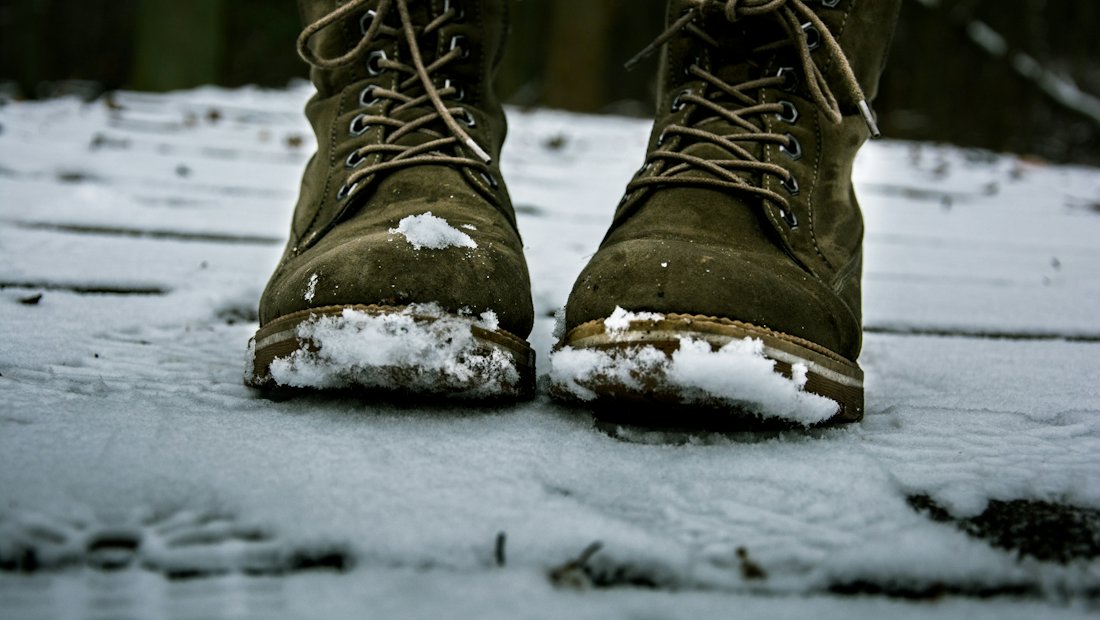
- Waterproof, insulated boots with good grip matter most
- Hat, gloves and a scarf or neck warmer are essential
- Buy basics early; save on extras in end-of-season sales
- Winter tires are required in Quebec and on many B.C. highways
Dress in layers
Three layers keep you warm and flexible: a base layer that keeps moisture away, a warm middle layer such as fleece or wool, and a wind- and waterproof outer jacket. Indoors are well heated, so you’ll take layers off often.
The essentials
- Boots: waterproof, insulated, with good tread for ice
- Winter jacket: long enough to cover your hips, with a hood
- Hat, gloves or mittens, and a scarf
- Warm socks: wool or synthetic, not cotton
Spend less
- Buy boots and a jacket before the first snow; wait for sales on everything else
- Thrift stores and community clothing banks often have good winter gear
- Settlement agencies sometimes run free winter clothing drives
- End-of-season sales in February and March are the best time to buy for next year
Budget tip: Heating can raise utility bills in winter. Check whether heat is included before you sign a lease.
Winter driving
Winter tires give far better grip in snow and cold. They’re required in Quebec in winter and on many British Columbia highways. Keep a brush, scraper and emergency kit in your car.
Stay well
Short days can affect your mood and energy. Get outside in daylight, stay active, and connect with community. Many cities have free skating rinks and winter festivals. If low mood lasts, talk to a doctor or call 811 in most provinces.
